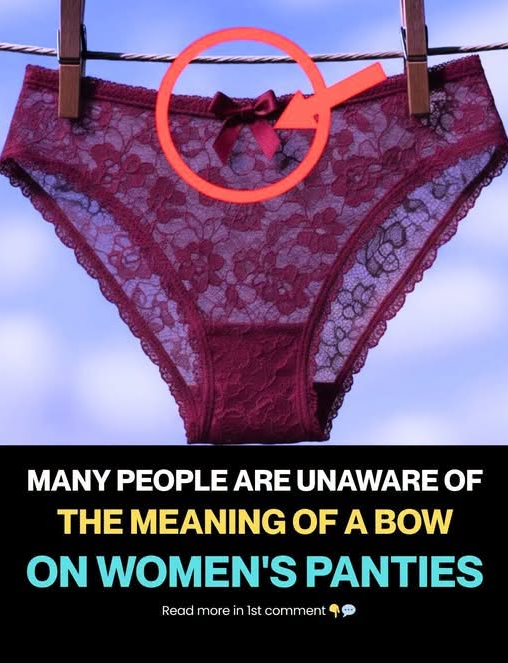
At first glance, women’s underwear may seem straightforward. But a closer look reveals small features that many people either overlook or misunderstand. Tiny bows, extra fabric panels, specific seam styles, and certain cuts are rarely accidental. In most cases, they exist for practical reasons rooted in comfort, hygiene, construction, or even history.
Here is a clear breakdown of the most common design details—and what they are actually meant to do.
- The Little Bow in the Front
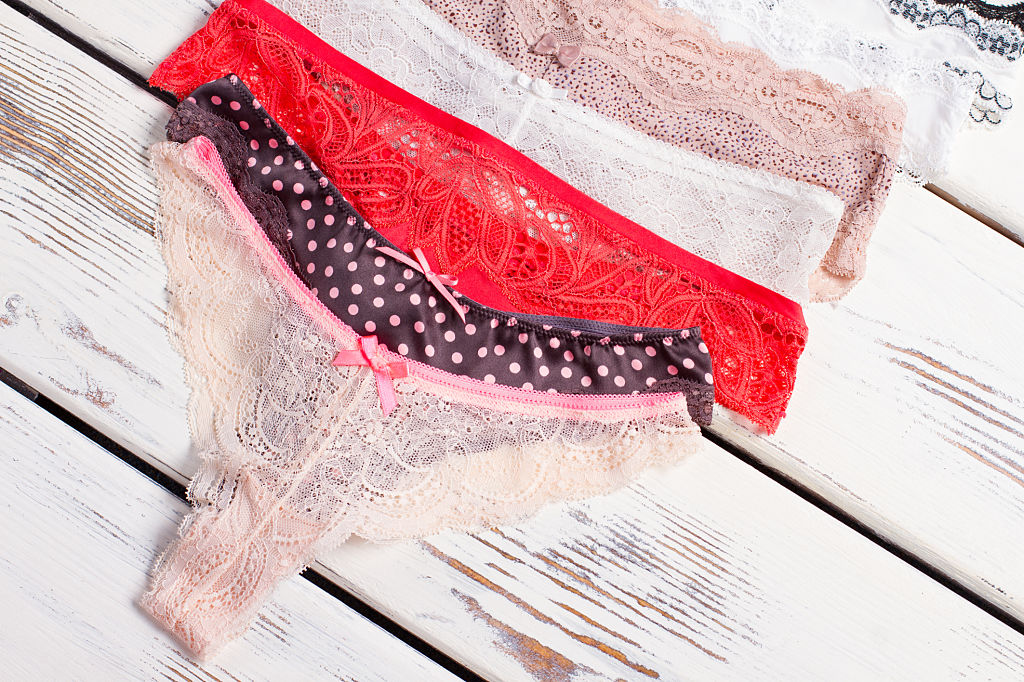
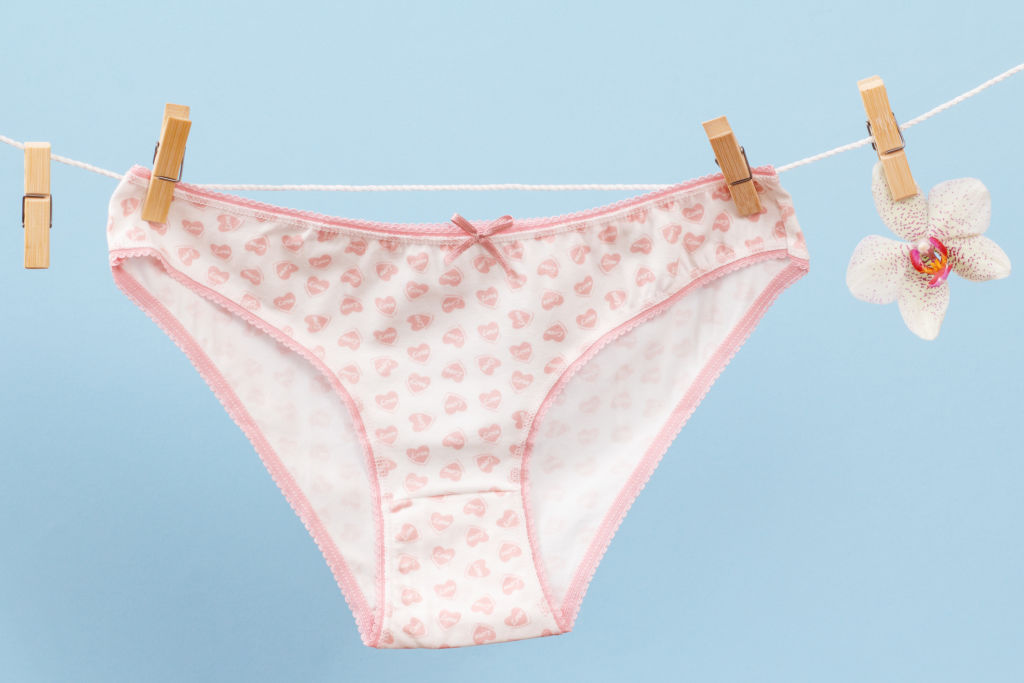
One of the most recognizable details is the small bow centered at the front of the waistband. Today it often looks purely decorative, adding a cute finishing touch. However, its original purpose was surprisingly functional.
Before elastic waistbands and widespread electric lighting, many women dressed in dimly lit rooms and often relied on touch to orient clothing correctly. The bow worked as a tactile indicator, helping them quickly identify the front of the garment without needing to see it.
Even now, that small bow can still make it easier to find the front instantly without turning the underwear around.
- The Cotton Gusset (Inner Lining)
The cotton gusset—an extra layer sewn into the crotch area—is one of the most essential elements of women’s underwear.
Although small, it serves several key purposes:
- Hygiene: Cotton absorbs moisture and supports airflow, which helps reduce irritation and lower the risk of infection.
- Comfort: It prevents synthetic materials from rubbing directly against sensitive skin.
- Protection: It reinforces a high-friction area that naturally experiences more movement and wear.
In very low-quality underwear, the gusset is sometimes only partly stitched—or poorly constructed—showing how important it is in better-made garments.
- Stitching and Seam Patterns
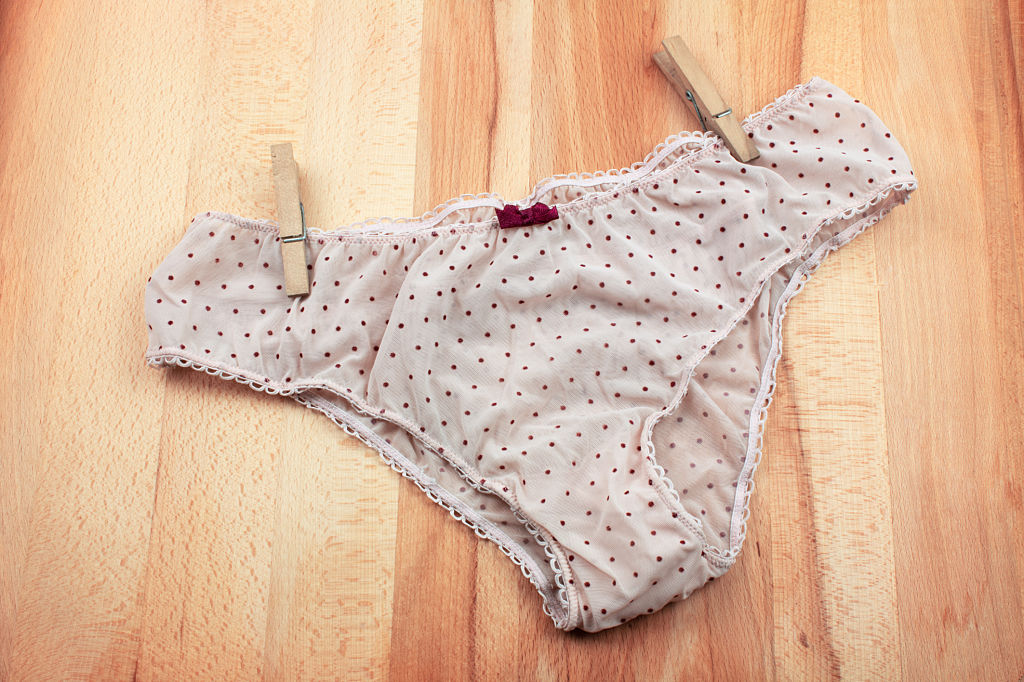
The stitching on underwear may look simple, but it is carefully designed. Because underwear must stretch and move with the body, specialized seams help prevent tearing, discomfort, and fabric edges that dig into the skin.
Different seam types serve different functions:
- Zigzag stitching: Adds stretch and flexibility along edges
- Overlock stitching: Prevents fraying while allowing movement
- Flatlock seams: Sit flat against the skin to reduce irritation, common in athletic or “seamless” styles
- Bonded seams: Create a smooth finish that stays hidden under tight clothing
The look may be minimal, but the construction is often more engineered than it appears.
- The High-Cut Shape on the Back
The upward curve on the back of many underwear styles is not just a design choice. It helps the garment fit and move more naturally with the body. A higher cut can:
- Improve mobility
- Help the underwear stay in place
- Reduce bunching under clothing
- Minimize visible panty lines
Overall, it supports a cleaner fit with better everyday comfort.
- The Tag—or Going Tagless
Tags often include useful information such as fabric content, where the item was made, and how to wash it. But traditional tags can also itch or irritate the skin.
That is why many brands now use alternatives such as:
- Printed labels directly on the fabric
- Soft, tear-away tags
- Smaller tags placed in less sensitive areas
Choosing tagless options is usually about improving comfort while still providing necessary details.
- Elastic Edging
Elastic determines how underwear stays in place and how it feels over long wear. It needs to be firm enough to hold shape, but soft enough to avoid cutting into the skin.
The structure of elastic can influence:
- Support
- Comfort
- Long-term shape retention
Some specialized underwear, including shapewear, may include silicone strips along the elastic to reduce slipping and keep the garment secure.
- Lace and Sheer Panels
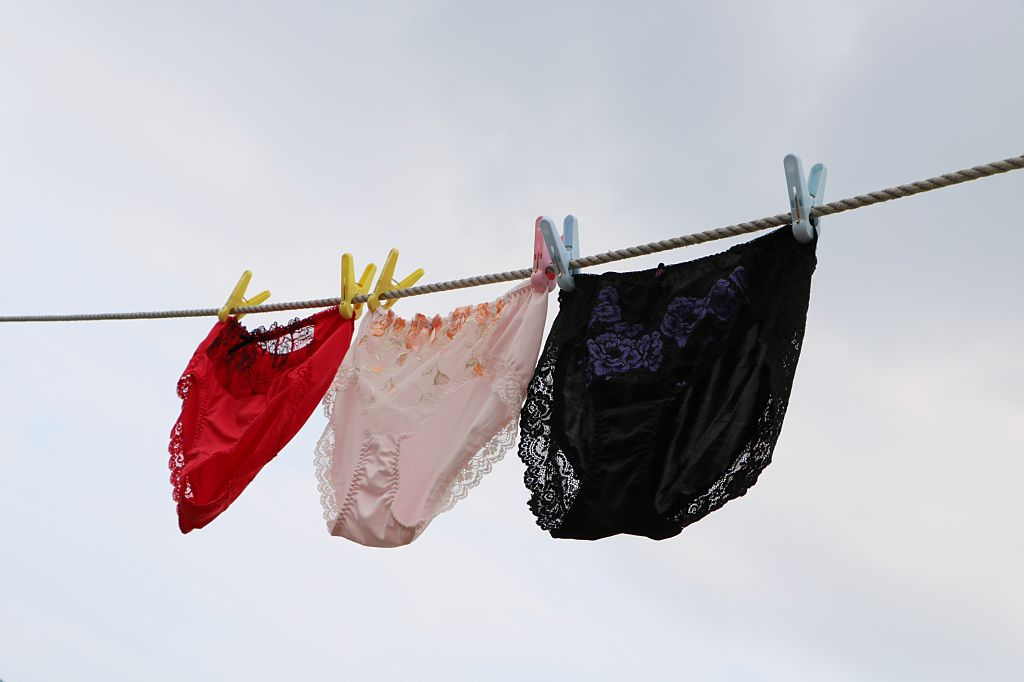
Lace and mesh are often seen as purely decorative, but they can serve functional roles as well.
These lighter materials can provide:
- Breathability: Better airflow compared with thicker fabric
- Flexibility: Natural stretch that adapts to the body
- Comfort: Soft lace can contour smoothly, especially in bikini or cheeky cuts
In many lingerie designs, the most visually delicate parts also contribute to comfort and fit.
Conclusion
Women’s underwear includes thoughtful design elements that balance function, comfort, and appearance. From the practical origins of the tiny front bow to the hygiene and support provided by a cotton gusset, most features exist for a reason.
The next time you shop, these small details may stand out more—and you may notice how much careful design goes into something worn every day.